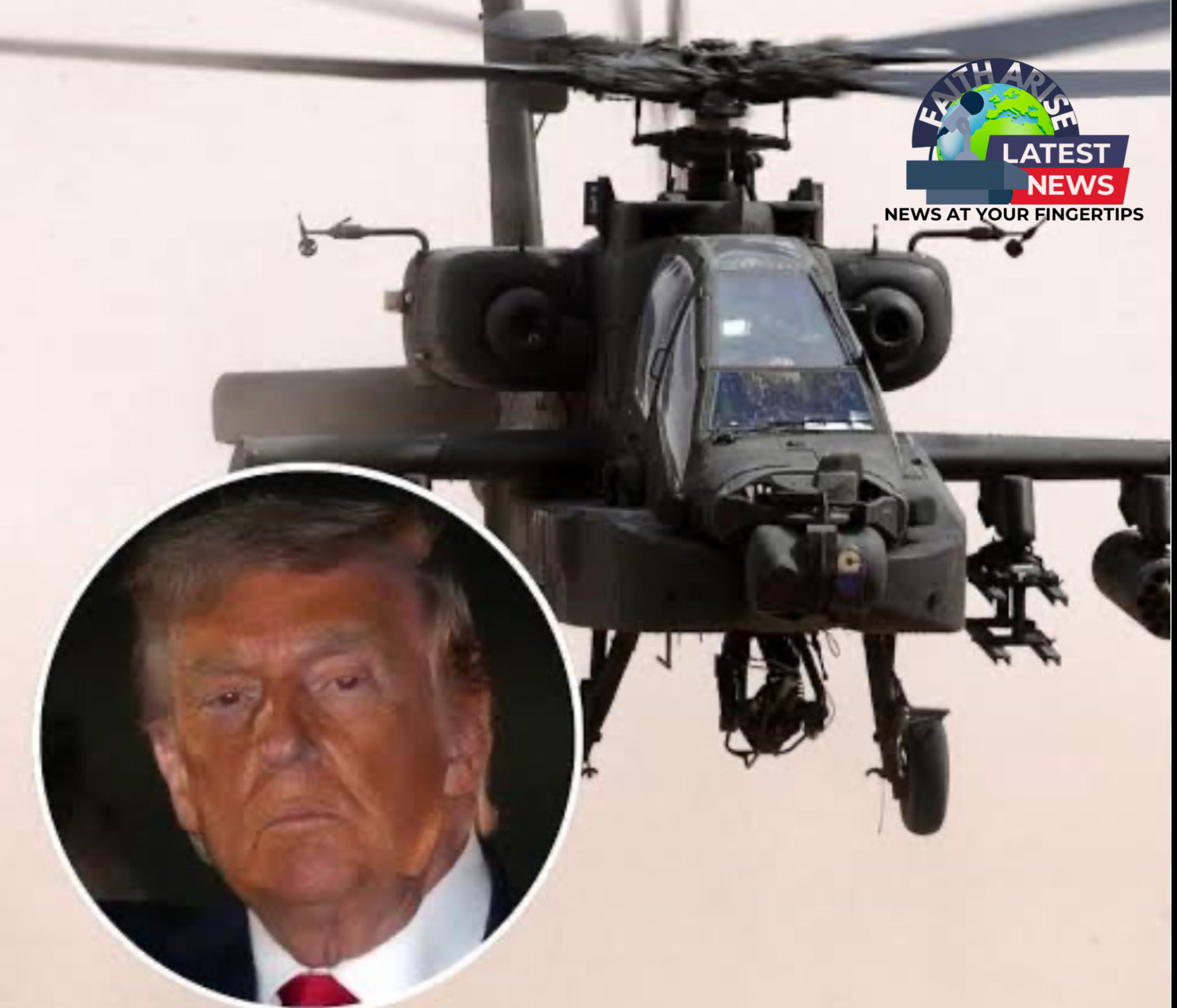
The United States launched a series of military strikes against Iranian targets following the downing of a U.S. Army AH-64 Apache helicopter near the Strait of Hormuz. U.S. officials described the operation as a “proportional response” intended to deter further attacks on American forces operating in the region. According to U.S. Central Command, the strikes targeted Iranian air-defense systems, surveillance facilities, and military infrastructure linked to the incident.
The Apache helicopter was reportedly brought down during a patrol mission near one of the world’s most strategically important waterways. U.S. officials stated that the aircraft was struck by an Iranian drone, although details surrounding the engagement remain under investigation. Both crew members survived the incident and were successfully rescued in a recovery operation conducted shortly after the helicopter went down.
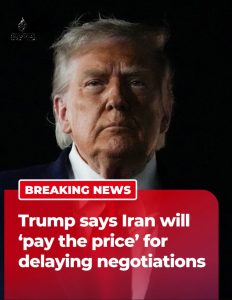
President Donald Trump said the United States had no choice but to respond to what he characterized as an act of aggression. Administration officials emphasized that the strikes were designed to be limited in scope and focused on military targets directly associated with the attack. The White House maintained that the operation was defensive rather than the beginning of a broader military campaign against Iran.
Iran condemned the U.S. action and accused Washington of escalating tensions in an already volatile region. Iranian officials argued that the presence of foreign military forces near Iranian territory contributes to instability and warned that Tehran would defend its interests if further attacks occurred. The exchange of strikes has increased concerns about the possibility of a wider confrontation between the two countries.
In the hours following the American operation, reports emerged of Iranian retaliatory actions targeting U.S. military facilities in several Middle Eastern countries. Regional security forces worked to intercept incoming missiles and drones, while governments across the Gulf monitored the situation closely. The latest escalation has raised fears about the security of international shipping routes and energy supplies moving through the Strait of Hormuz.
The exchange marks one of the most serious confrontations between the United States and Iran in recent years. Analysts warn that continued retaliation by either side could undermine ongoing diplomatic efforts and increase instability across the Middle East. As military and political leaders assess the situation, the international community is urging restraint to prevent the crisis from developing into a larger regional conflict.