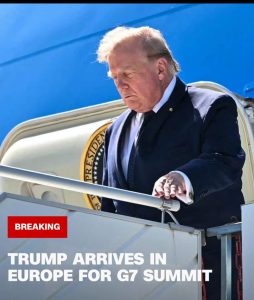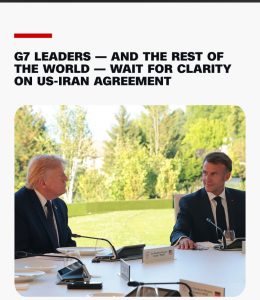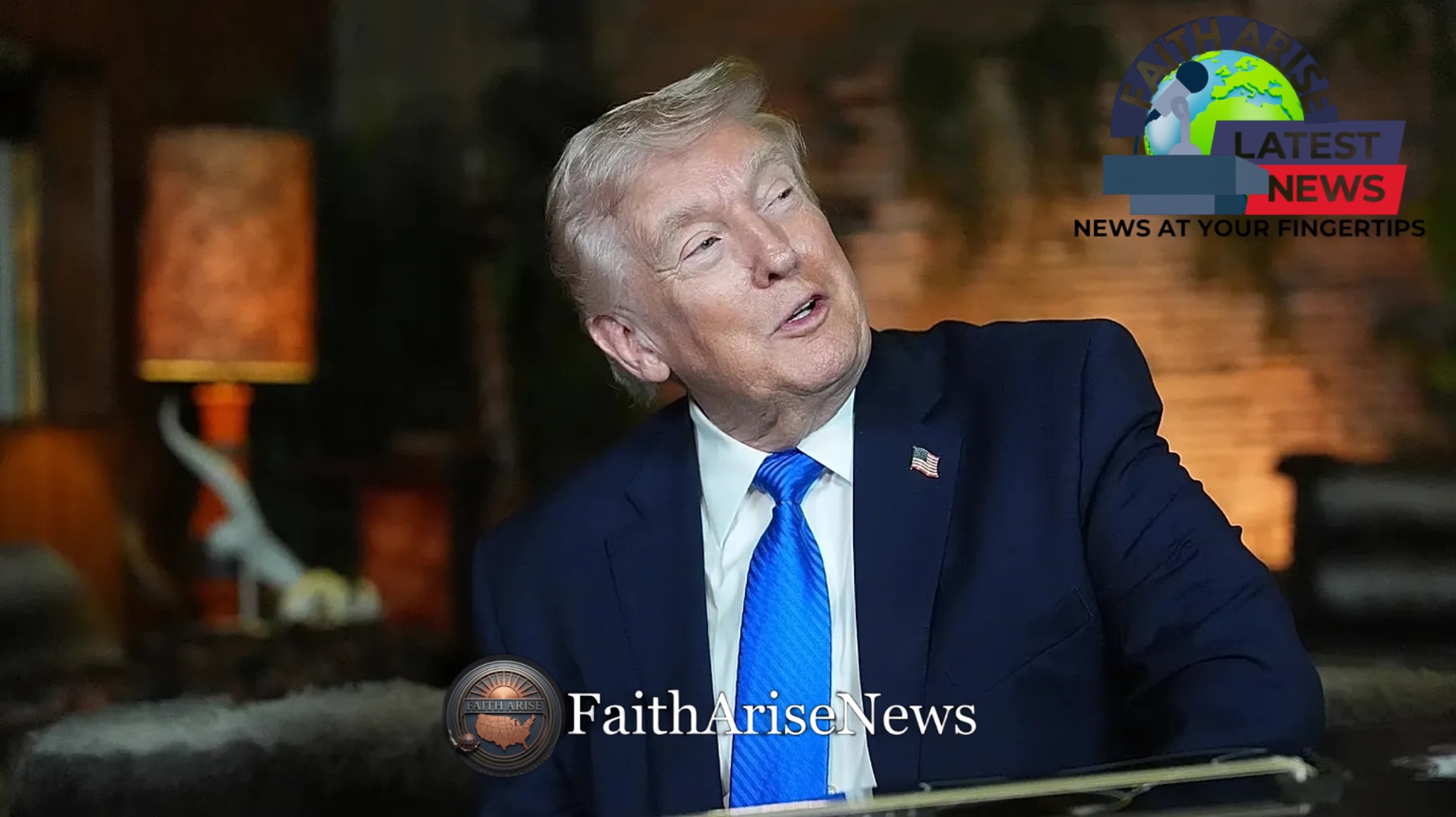
U.S. President Donald Trump has warned that Iran could face “ultimate consequences” if it fails to meet key conditions outlined in an emerging agreement between Washington and Tehran. Speaking amid ongoing diplomatic efforts, Trump said negotiations had entered a crucial stage and stressed that Iran must honor commitments related to its nuclear activities and regional security concerns. The warning comes as both sides seek to finalize a framework aimed at reducing tensions that have fueled months of instability in the Middle East.
According to reports, one of Washington’s primary demands is that Iran accept significant restrictions on its nuclear program, including limits on uranium enrichment and safeguards designed to prevent the development of nuclear weapons. Trump has repeatedly argued that any agreement must ensure Iran cannot acquire such capabilities, describing the issue as a non-negotiable element of the deal.
The president’s remarks follow earlier statements in which he warned that military action could resume if negotiations collapse. In recent months, Trump has linked the success of the agreement to broader regional stability, including the reopening of the Strait of Hormuz, a critical global shipping route that carries a significant portion of the world’s oil supply. Officials believe a successful deal could help restore confidence in international energy markets and reduce geopolitical risks.
Iranian officials, however, have maintained that their nuclear program is intended for peaceful purposes and have resisted demands they view as infringing on the country’s sovereignty. Tehran has also sought sanctions relief and the release of frozen assets as part of any final agreement. Differences over these issues remain among the major obstacles to securing a lasting accord.
Despite the tensions, Trump has expressed optimism that an agreement can still be reached. During remarks at the G7 summit, he suggested that negotiations were moving into a “second stage” and indicated that the deal was close to completion. Nevertheless, he cautioned that failure to comply with agreed terms could trigger severe repercussions, underscoring the high stakes involved in the talks.
Analysts say the outcome of the negotiations could have far-reaching consequences for regional security, global energy supplies, and U.S.-Iran relations. While supporters argue that a successful agreement could prevent further conflict and stabilize international markets, critics remain skeptical about whether both sides can overcome deep mistrust. For now, attention remains focused on whether Iran will accept the key demands needed to transform the tentative framework into a binding deal.